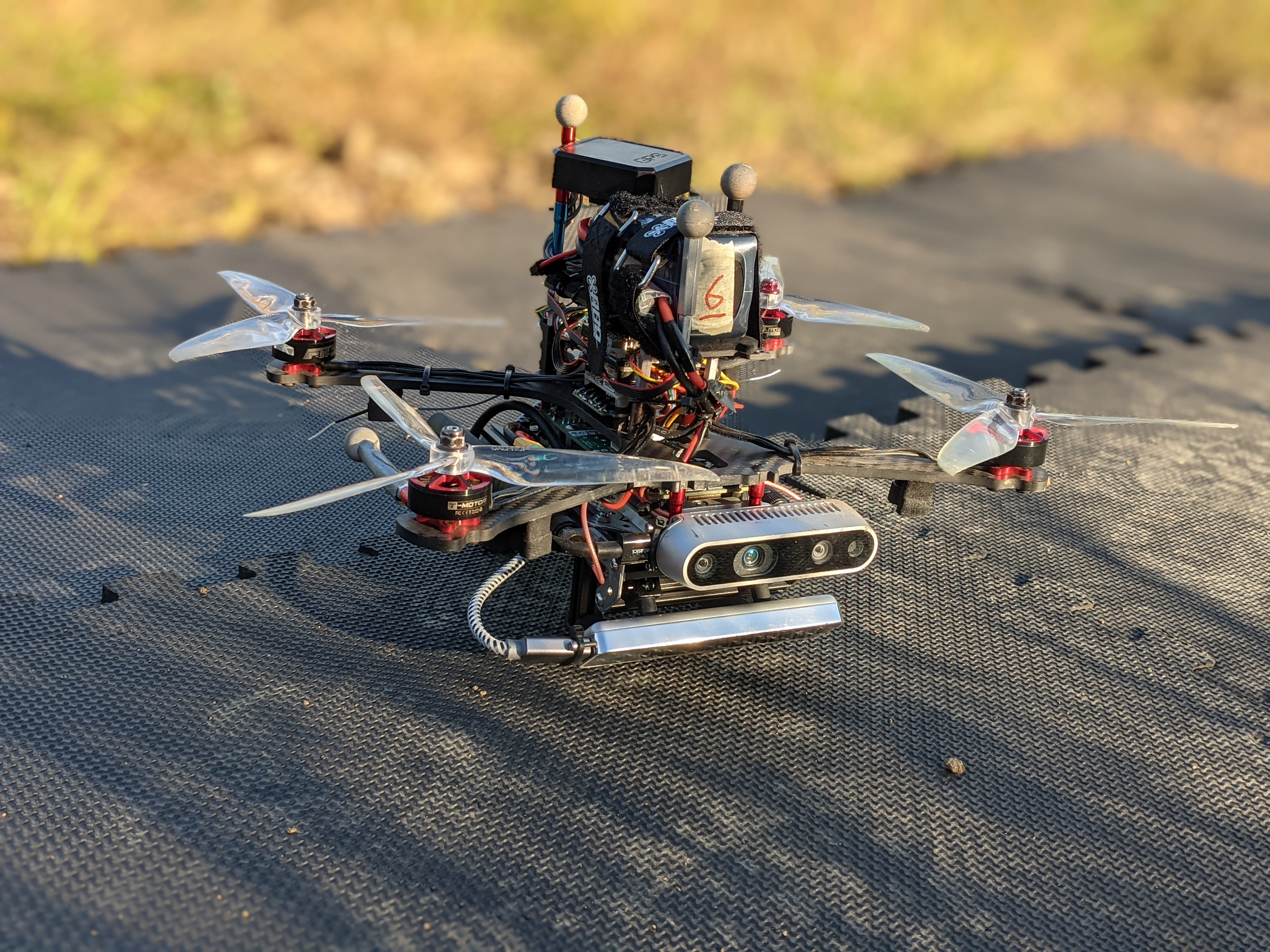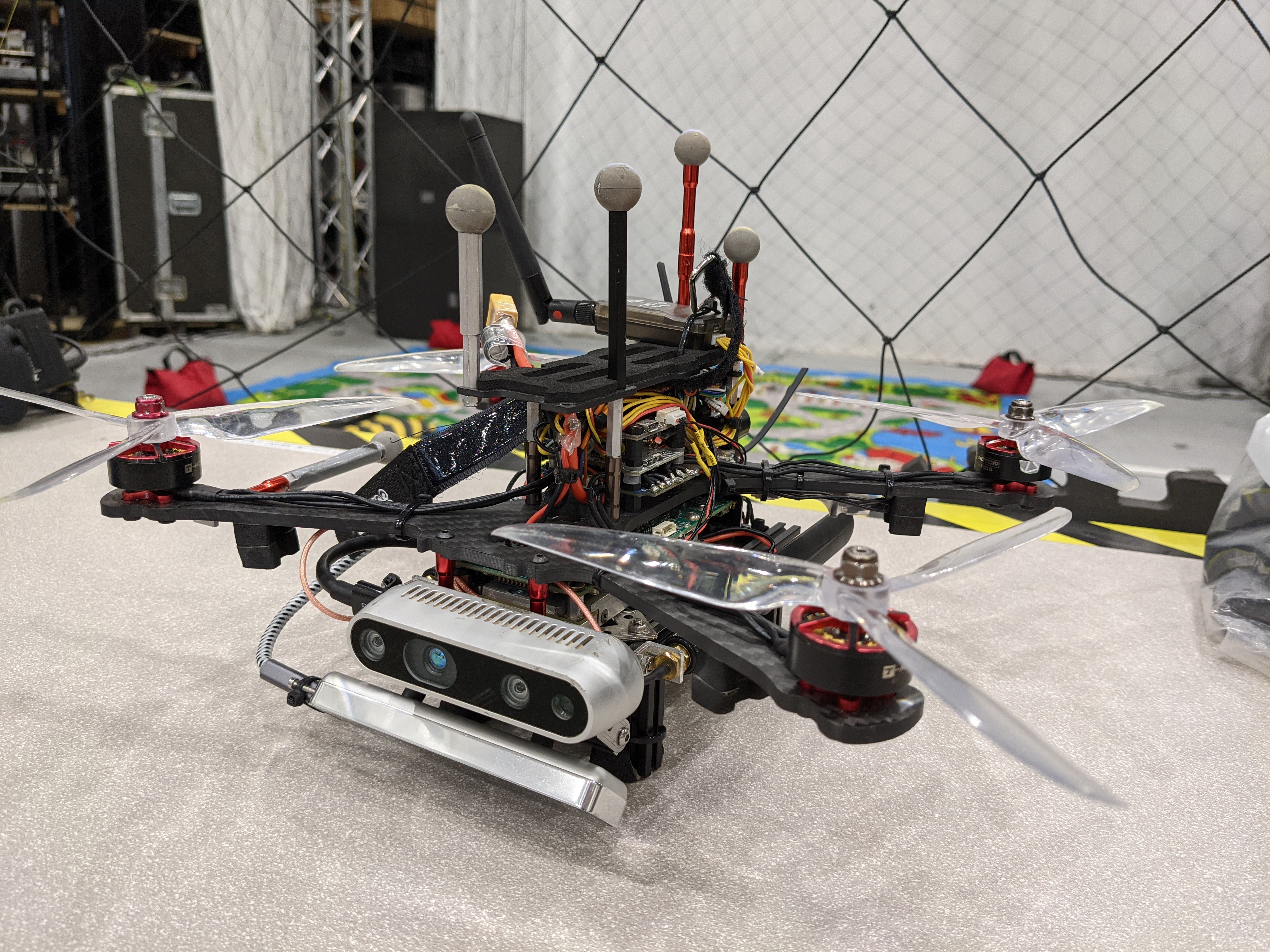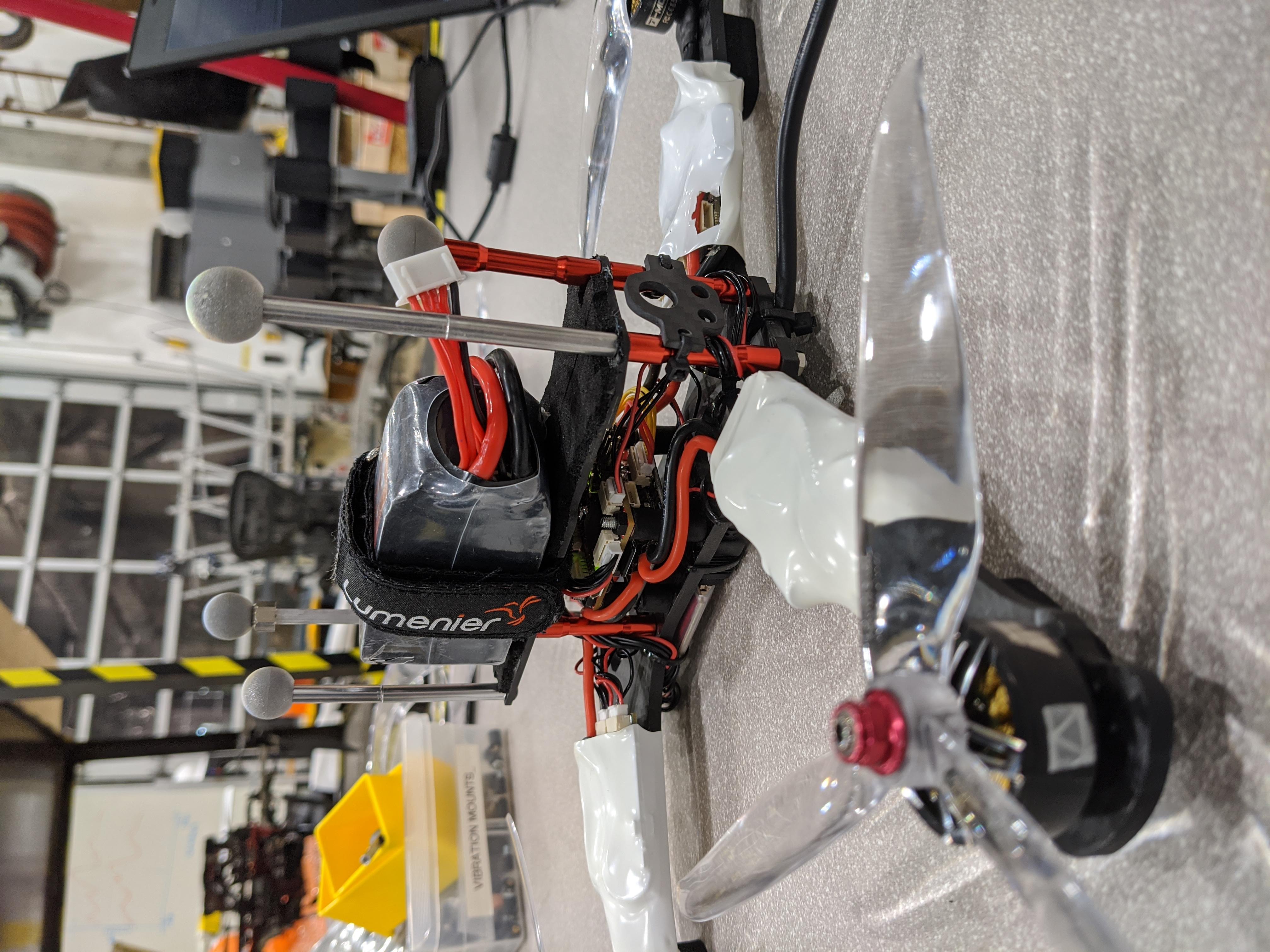
I am a Senior Research Scientist at the Seattle Research Lab (SRL) at NVIDIA, working on robotics and AI. My research interests include generalist robot policies, evaluation and benchmarking. I received my Ph.D. in Robotics from Carnegie Mellon University, and my B.A.Sc. in Engineering Science from the University of Toronto, with a major in Aerospace.
You can contact me at xuningy at nvidia dot com.
Highlights
- 10/2026 Released Astranomy, an empirical study of GPT-6 Astra as a native robot policy
- 10/2026 Released ARC, a reasoning recipe for robot foundation models
- 09/2026 VoLo has been accepted to CoRL 2026 (33% AR)!
- 08/2026 Released DROID+, a simplified hardware control stack for the DROID robot platform
- 07/2026 Gave two invited talks: Australian Centre for Robotics at the University of Sydney and University of New South Wales
- 07/2026 Gave a talk at the RSS 2026 workshop Toward Open-World Failure Recovery for Robots
- 07/2026 Invited panelist at the RSS 2026 workshop Trustworthy Embodied Foundation Models
- 07/2026 Wrote a blog on how to evaluate general-purpose robot policies for real-world deployment
- 04/2026 RoboLab has been accepted to RSS 2026 (29.7% AR)!
- 04/2026 AdaVoMP has been accepted to ICML 2026 (26.6% AR)!
More highlightsFewer highlights
- 04/2026 RoboLab is released! Highlighted in Nvidia’s National Robotics Week
- 05/2024 Built an automatic pick-and-place pipeline in simulation in collaboration with Intrinsic.AI: TechCrunch, AI Business, The Robot Report
- 2019 In-place hover-to-hover flip of a quadrotor, featured by Rapyuta Robotics
Selected publications
Can a general-purpose frontier model act as a robot policy with no robot-specific finetuning? We test GPT-6 Astra in three roles on RoboLab-120: generating actions directly, running as an agent in a persistent coding session, and monitoring a separate robot foundation model. The agentic setup reaches 74.8% success but at far higher token cost, and direct inference is slow at about 18.6 seconds per call.
ARC improves robot foundation models by grounding reasoning in the robot's next action and its expected effects. It automatically labels existing demonstrations with reasoning traces and adapts pretrained policies to use them, achieving state-of-the-art results on RoboLab-120 and MolmoSpaces without new robot demonstrations or foundation-scale training.
RoboLab is a high-fidelity simulation platform for evaluating robot policies trained on real-world data. Fast scene and task generation keeps the benchmark from saturating, and the 120-task suite separately measures visual, relational, and procedural generalization.
Cosmos 3 is an open omnimodal world model that unifies reasoning, generation, simulation, and robot action across text, images, video, audio, and actions in a single model.
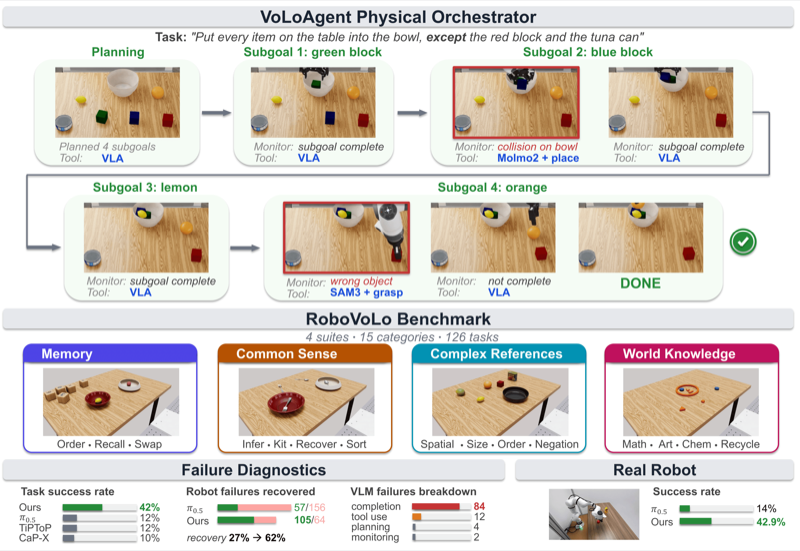
VoLo frames long-horizon manipulation as physical orchestration: a VLM agent plans, monitors, and recovers by steering a VLA or world-action model as an interruptible tool alongside perception and grasp primitives. The accompanying RoboVoLo benchmark covers 126 tasks with failure-mode diagnostics.
VLA-0 turns a vision-language model into a robot policy by having it emit actions as plain text integers, with no changes to its vocabulary or architecture. It is the strongest model on LIBERO among those without large-scale robot pretraining and transfers to real SO-100 tasks.